



Do I need a referral to see a Bright Door therapist?
No, referral is not required to access any of our therapists.
Is Bright Door a registered NDIS provider?
Yes, Bright Door is a registered NDIS provider.
What is Bright Door's Cancellation Policy?
The Client/ Client Representative can cancel or reschedule:
a) a one-hour Support up to 24 hours prior to the appointment or
b) up to three (3) business days prior to the appointment for Supports longer than one hour.
Client cancellations and reschedule requests less than those times are considered Late Cancellations and will be charged the full fee.
Failure to attend an appointment with no notice to Bright Door, will result in the full cost of the service being charged as a “No Show” fee.
If a Bright Door therapist is unable to keep an appointment, a rescheduled session time will be arranged, and the cancellation fee will not apply.
What can expect to happen in my child’s initial sessions?
Step 1: Initial Interview
Before meeting your child, an initial interview will be scheduled with the parent/caregiver and your child’s therapist. This will provide the opportunity for you to share concerns about your child’s development and your reasons for seeking therapy. Your child’s therapist will ask questions about your child’s medical history, development, strengths, interests and challenges. We ask that you provide any previous assessment reports or letters from relevant professionals prior to this appointment. Please note your child is not required to be present at this appointment.
Step 2: Introductory sessions
Your child’s initial sessions will allow your child and therapist to get to know one another and build a rapport together. These sessions will involve activities that investigate your child’s skills and abilities and may include a mix of play-based and tabletop activities. Your child’s therapist will use these sessions to gain key information allowing them to make recommendations and plan intervention goals to support your child.
Step 3: Feedback and Therapy Planning
After your child’s initial sessions, the therapist will share the information that they have gathered. You and your child’s therapist will collaborate to create relevant, functional goals for your child’s ongoing therapy sessions and discuss strategies to support them.
We look forward to partnering with your family to achieve extraordinary outcomes for your child.
What is a functional capacity assessment?
A functional capacity assessment, also known as an FCA, is an in-depth evaluation of your child’s ability to participate in day-to-day tasks and activities, to identify the supports they may require.
A Functional Capacity Assessment can assist you in the following processes:
- NDIS plan review: providing evidence to the NDIS of your child’s current level of function and the supports they require to participate in their daily occupations.
- Transition to NDIS: whether your child is on Early Childhood Early Intervention (ECEI) or not yet accessing NDIA funding, we can assist in this process by providing evidence and documentation for NDIS to determine appropriate supports and level of funding for your child. Ultimately, it is up to the NDIS to allocate supports for your child.
What Medicare rebates are available?
Bright Door can provide Allied Health services for children diagnosed with a chronic medical condition and complex care needs who are being supported by their GP
It’s up to your GP whether your child’s chronic medical condition would benefit from allied health service and provides the referral to our service. Clients can obtain a rebate of $56.00 for up to 5 eligible allied health services per calendar year.
Rebates are available for up to 20 early intervention treatment for children with an Autism Spectrum Disorder, consistent with the treatment and management plan prepared by your referring practitioner.
Children with an eligible diagnosis can access the Medicare items at any time up to the age of 15, provided the new treatment and management plan is in place before the child turns 13.
The Medicare items can be accessed:
Before your child is registered for the early intervention funding, or in conjunction with the early intervention funding, or after your child’s access to the early intervention funding ceases.
Clients can obtain a rebate of $71.95 for each service.
Fees – How much do you charge?
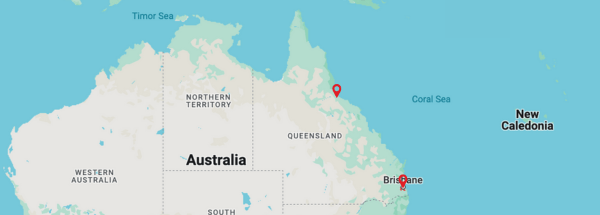
To access our price list, please click here for Townsville and click here for Fig Tree Pocket.
What funding sources are available?
NDIS
Bright Door is a registered NDIS provider.
Medicare
Bright Door Speech Pathologists, Occupational Therapists and Physiotherapists are able to provide assistance for children and young people with Chronic Disease Management Plan.
Private Health Insurance
Bright door is a recognised Allied Health Provider and families may reclaim session fees in accordance with the guidelines of their Private Health Insurance provider.
Assessments – Do I need a referral?
Assessments – How long will the assessment take?
It depends on the type of assessment being completed. Most assessments will take a minimum of 3-4 sessions (including intake, testing, and feedback sessions). The number and length of assessment sessions required will depend on the purpose of the assessment as well as your child’s engagement in the testing. Once the testing has been completed, the clinician will typically write the report within 4-6 weeks and notify of any further complexities should they arise.
Assessments – What will my child be asked to do?
You child will participate in assessment activities designed to investigate specific areas of development. Activities may be play-based in nature or may involve more standardised tasks designed to measure specific skills. Your clinician will work closely with your child to ensure they are comfortable and will put any necessary supports in place to help them to participate to their fullest potential.
Assessments – What documentation should I bring to the intake interview?
Depending on the type of assessment, some documents that may be helpful for your clinician to review include:
- Referral (if applicable)
- School reports
- NAPLAN results (if applicable)
- Any prior assessment reports
- Any other relevant intervention documentation (e.g. Reading intervention, school IEP, OT or SLP assessments/reports)
- Any letters with prior diagnoses
Assessments – What do I tell my child about the appointment?
It helps to explain to children before the assessment that they are coming to see someone who is going to do different thinking games with them, and that most children find the different activities fun. Avoid describing the appointment as a test or assessment as this can make some children feel anxious.
Head office
Get to know our network
